- Free Consultation: (954) 281-8888 Tap Here To Call Us




The Legal “Unfreezing”: What Exactly Is Probate?


Clients often hear the word “Probate” whispered with dread, but few understand what it actually is.
Is it a tax? Is it a lawsuit? Is it a punishment?
Simply put, Probate is the court-supervised process of identifying a deceased person’s assets, paying off their debts, and distributing the remainder to their beneficiaries.
It exists to solve a practical problem: The assets are “frozen.”
Here is a breakdown of why the process exists, how it works in Florida, and what you can expect.
1. Why Does Probate Exist?
When a person passes away, they can no longer sign their name. They can’t sign a deed to sell their house, and they can’t sign a check to empty their bank account. Because the owner is gone, the assets are effectively locked.
The Probate Court’s job is to “unlock” them—but not before they check the rules. The Judge needs to ensure that:
- The Will is valid. (If there is no Will, they follow Florida state statutes).
- The Debts are paid. (Ensuring creditors and the IRS get their due).
- The Assets go to the right people. (Preventing fraud and theft).
2. The Role of the Personal Representative
To manage this process, the Court appoints a “Personal Representative” (often called an Executor in other states).
This person—usually a spouse or adult child—is the one doing the heavy lifting. Their job isn’t to keep the money (yet); it’s to manage the estate. Their duties include:
- Inventory: Locating and valuing all assets (bank accounts, real estate, investments).
- Notification: Sending legal notices to creditors, banks, and beneficiaries.
- Accounting: Paying valid bills and filing the necessary paperwork with the help of an attorney.
3. The Timeline: How Long Does It Take?
In Florida, Probate is not a quick process.
For a standard “Formal Administration,” creditors have 90 days just to file claims after we publish a legal notice. Even simple estates often take 6 to 12 months to close. If there are disputes among family members, complex assets to sell, or tax issues, it can drag on significantly longer.
4. The Costs
Probate involves several financial layers. Between court filing fees, mandatory publication costs, Personal Representative fees, and attorney fees (which are often based on the size of the estate), the costs can be substantial.
These expenses are paid out of the estate’s assets before the beneficiaries receive their inheritance.
The Bottom Line
Probate isn’t a penalty; it is a legal safeguard. It ensures that debts are paid and that the correct heirs receive the assets. However, it is public, time-consuming, and can be expensive.
The good news is that probate is often optional—if you plan ahead. By using tools like a Revocable Living Trust or proper beneficiary designations, you can often arrange for your assets to pass directly to your family, bypassing the court system entirely.
If you are currently facing probate for a loved one, we can guide you through the administration process efficiently. If you are planning for your own future, we can help you structure your estate to avoid it altogether.
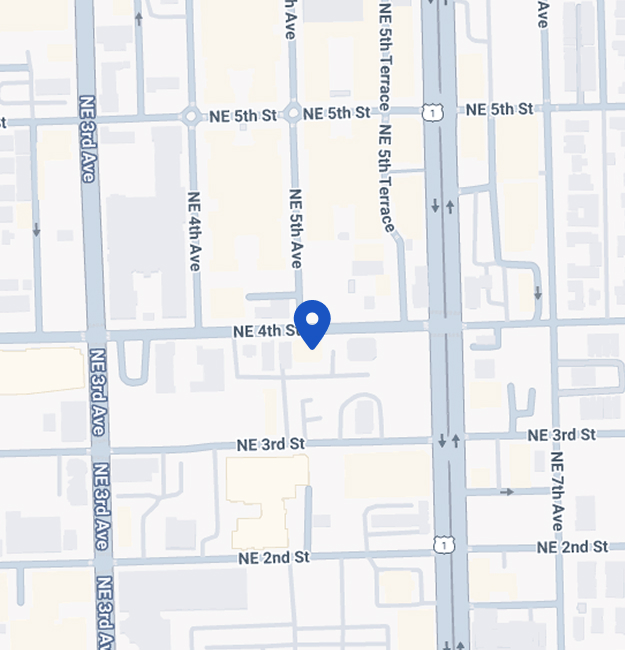
Our Office
The Kogan Firm, P.A. is proudly based in Fort Lauderdale, serving clients across Broward, Miami-Dade, and Palm Beach counties.